Health is a story written over time.
Odin holds it together, and brings clarity where scattered data stays silent. It connects tests, treatments, habits and visits into a picture that grows clearer over time. Not an archive of reports, but a story to read alongside the people who care for you.
Where are you coming from?
Two people you probably know.
Odin is born from real needs we see every day. Do you recognise yourself in these stories?
He feels fine. But he carries a thought he almost never says out loud: his father died of a heart attack at 58, one February morning. At 42 he has no symptoms, nothing that would justify a check-up every six months. And yet he would like to keep track of everything that happens, so that if something changes in the future, someone notices in time. Odin is the place where that digital trail takes shape, and where the person returns to the centre of their own care.
Two weeks ago she found out she has type 2 diabetes, after years spent trying to lose weight without ever having a structured plan. She doesn't want to chase four different professionals who never talk to each other, or wellness apps that bring her no real benefit. She joins Odin because it is the only ecosystem where she can find someone able to guide her toward the path best suited to her, including with the new GLP-1 therapy, and keep a steady trail of her progress, always connected with the people who truly care for her.
Marco is writing a trail for the future. Anna is taking on a path today. The same product, two different stories.
A complete clinical system, not one more app.
Odin connects patients, doctors, healthcare professionals and pharmacies in a single, structured clinical story. Today it already handles cardio-metabolic pathways in depth, where continuity truly changes outcomes.
Hypertension
Home measurements, weight, tests and habits come together into a living clinical picture, always up to date. We help you build a clinical pathway in line with the latest guidelines and keep everything at hand, so you can feel safe and guided in your care.
Metabolic pathway
Obesity, GLP-1 therapy, nutrition, tolerability, activity and body composition: all monitored together, with plans reviewed by the professionals who follow you. A structured pathway, not a diary left to you alone.
Clinical decisions always stay with your doctor. Odin gives them the full context, because chronic care lives between one visit and the next, not only inside the consulting room.
The same story, seen through the eyes of those who live it and those who care for it.
Your story, always with you
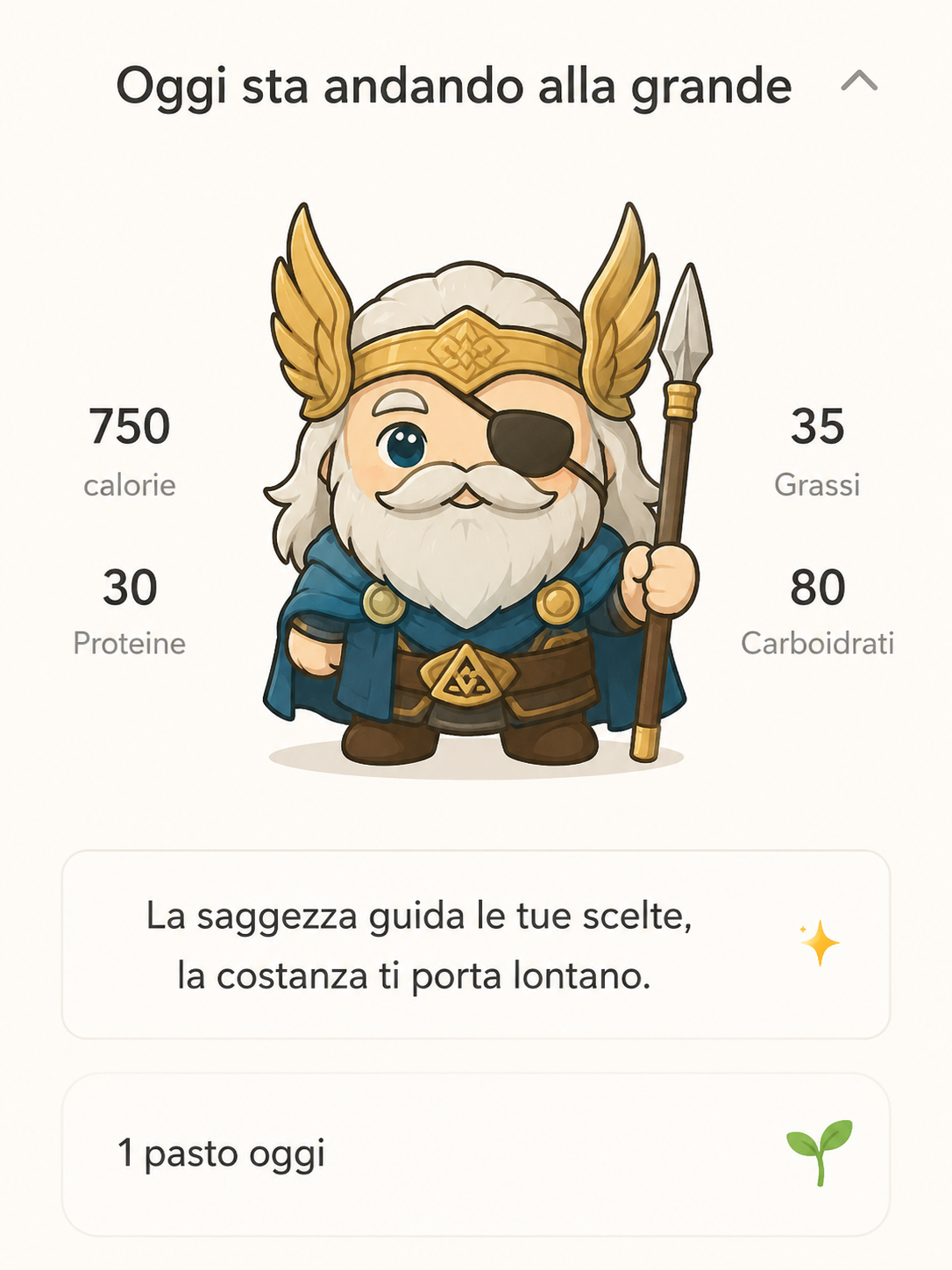
Your whole clinical story gathered and analysed in a single context, with smart medication reminders, weekly check-ins, and diet and exercise plans tailored to you.
Join the waitlist →Close by, even between visits
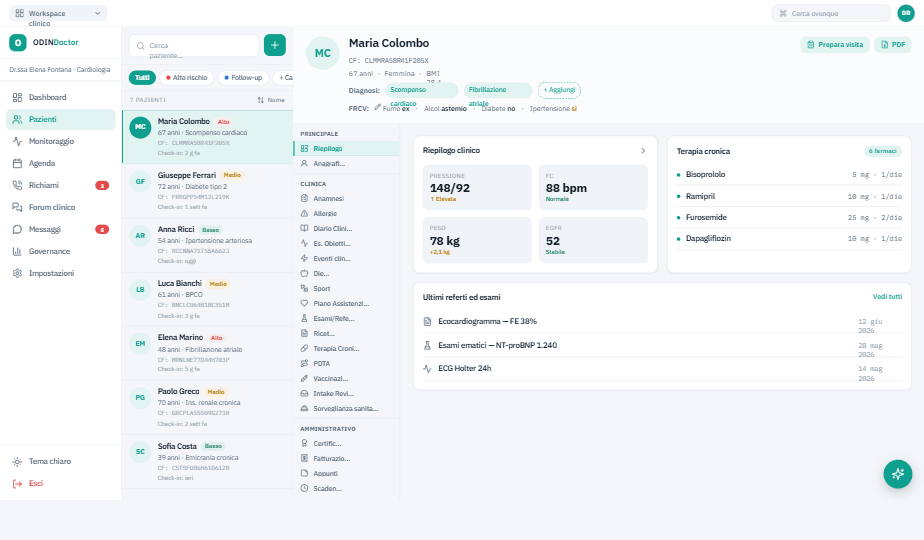
A view of their patients that doesn't stop at the single visit: follow-ups, documents and schedule in the same place. Care stays in their hands, with more context.
Discover OdinDoctor →Alongside the doctor, within the pathway
Nurses, physiotherapists and nutritionists deliver their services inside the patient's pathway, with the context they need and in continuity with the people who care for them.
Discover OdinCare →The point of care closest to home
Measurements at the counter, treatment adherence, refills: the pharmacy you trust becomes the closest point of continuity, right in your neighbourhood.
Discover OdinPublicHealth →Want to be among the first to step in?
Join the waitlist. Be among the first to enter this new digital ecosystem that puts the person's wellbeing back at the centre; everything else is secondary.
Are you a healthcare professional? See how Odin works with you →